🛡️ Secure Document Distribution for Corporate Teams
Secure Document Distribution for Corporate Teams
2026 update: Corporate teams often need both paths: Online Cloud Sharing for quick reviews and App DRM / .maipdf for high-risk materials that need device binding and revocation. See How to Revoke Access to a PDF After Sending.
In today's corporate environment, information sharing is constant. Strategy decks, financial projections, personnel documents—all need to be distributed internally.
But traditional sharing methods create significant security vulnerabilities the moment a document leaves your control.
June 2026: Use online links for everyday internal drafts. For board packs or M&A PDFs that need prevent screenshot, use .maipdf + MaiPDF Secure. Enterprise procurement may still prefer vendors like LockLizard.
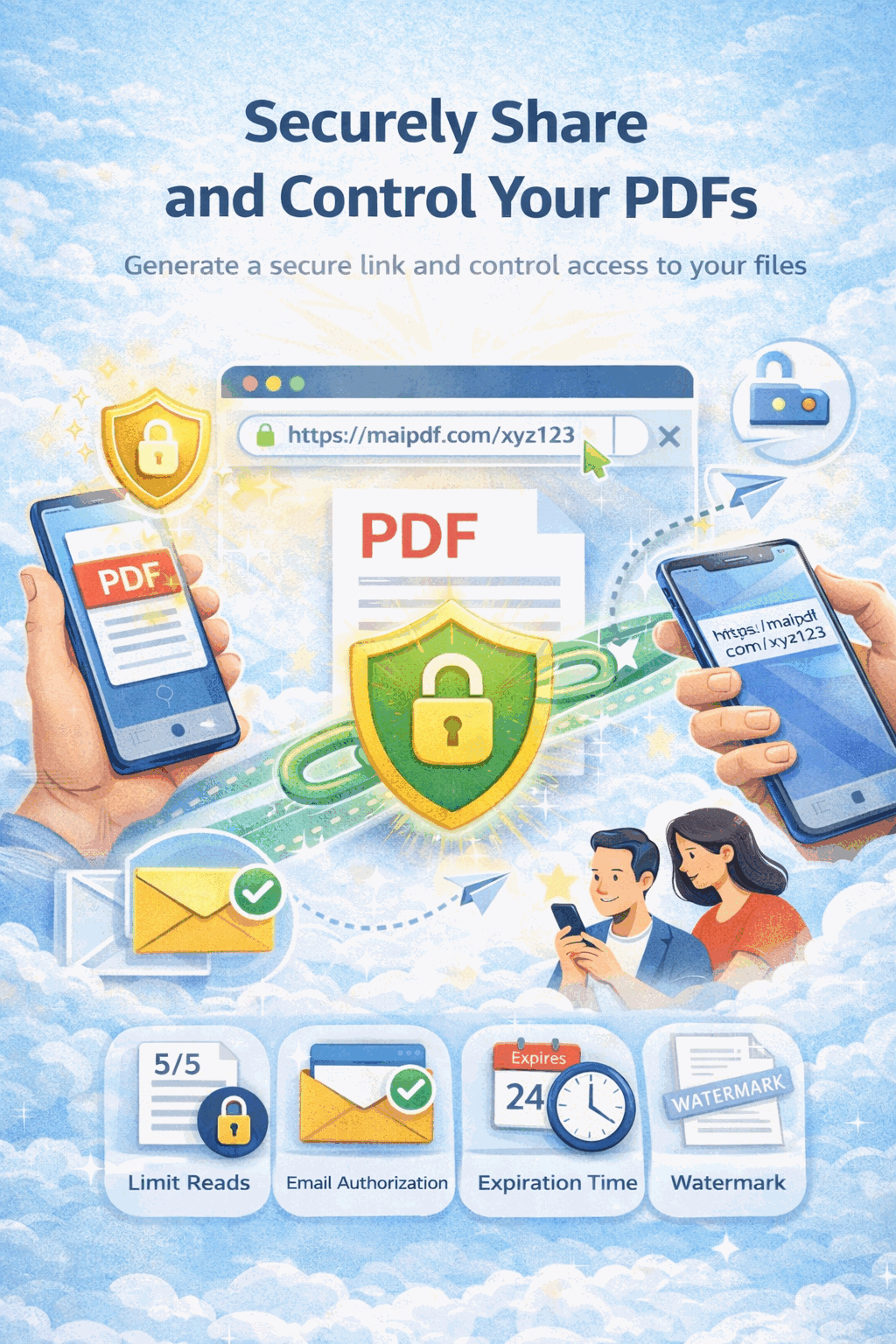
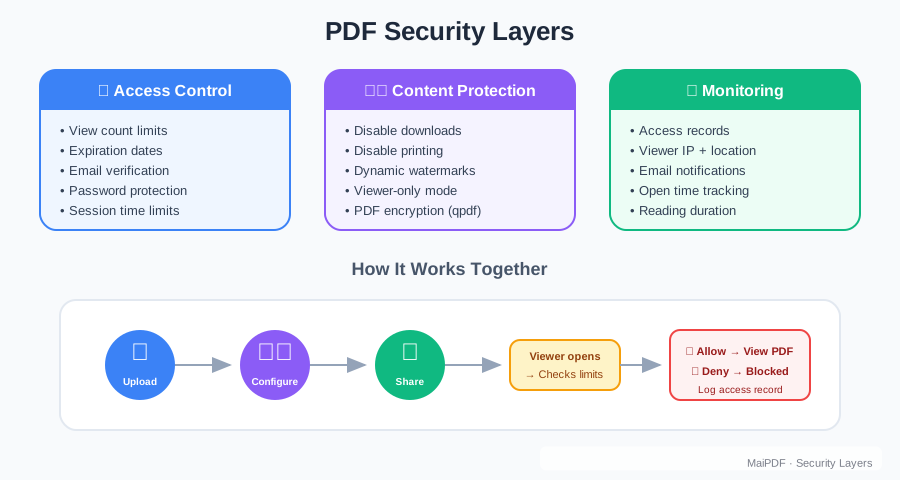
📊 Information Leakage: The Invisible Corporate Risk
Most organizations rely on document sharing methods that provide only surface-level security:
- Corporate Email: Once sent, attachments can be forwarded indefinitely
- Internal Drives: Documents can be downloaded and redistributed
- Chat Applications: Files shared in Slack or Teams can be stored locally
- Cloud Storage: Even with permissions, content can be screenshot or copied
The uncomfortable truth? According to recent research, 74% of data breaches involve internal actors—not sophisticated hackers, but everyday employees sharing documents without proper safeguards.
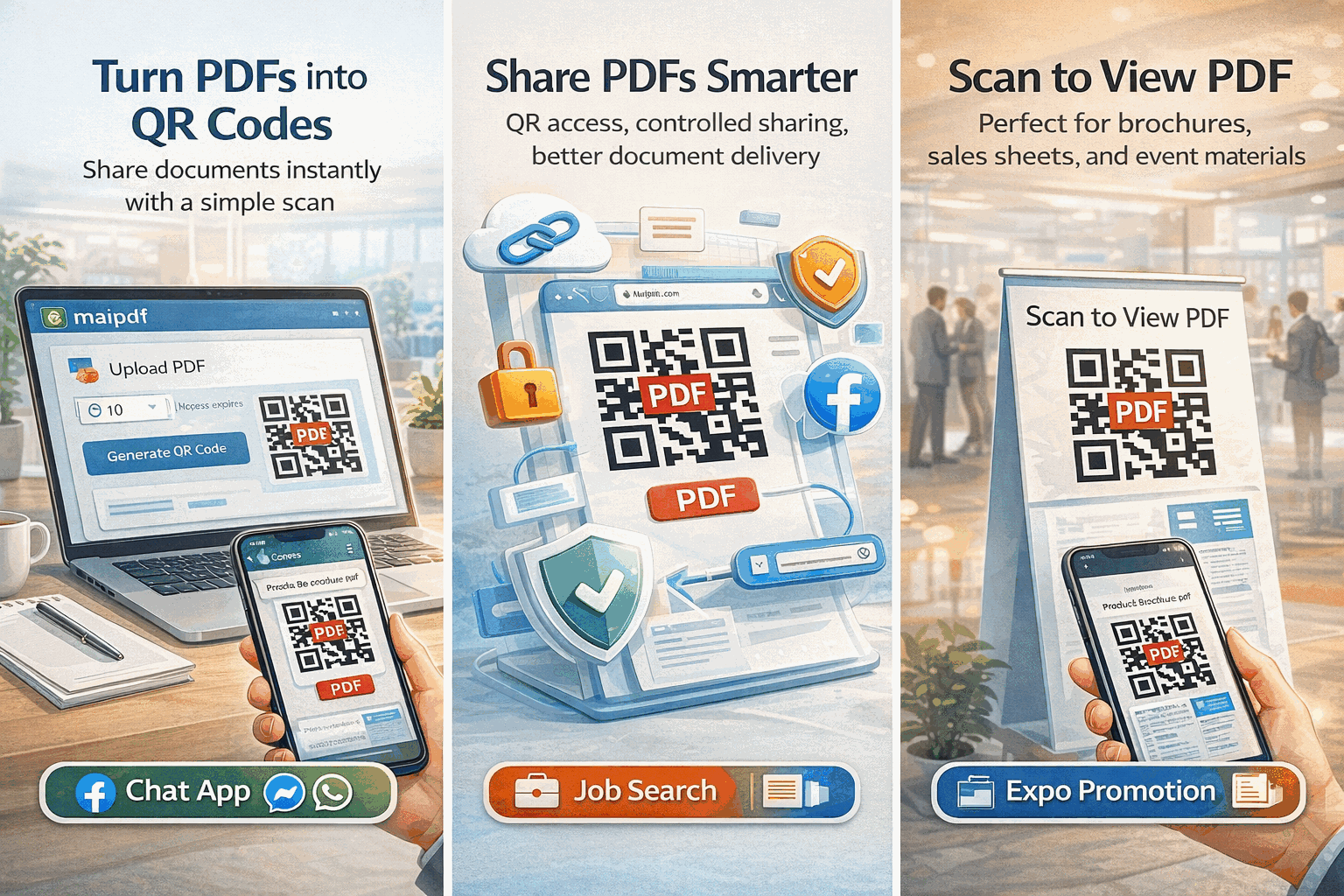
🔒 The Access-Controlled Alternative
Instead of treating documents as transferable objects, modern document security treats them as managed access points:
- View Limitations: Restrict how many times a file can be opened
- Browser-Only Access: Present content without allowing downloads
- Activity Tracking: Monitor when and where documents are being viewed
- Remote Deactivation: Revoke access to outdated or sensitive materials
- Dynamic Updating: Change the content without redistributing links
The result is document circulation that maintains both security and convenience—the ideal balance for today’s corporate environment.
💼 Corporate Use Cases That Demand Higher Control
Executive Communications
- Board packets that contain sensitive financial projections
- Strategic planning documents outlining competitive advantages
- M&A documentation with strict need-to-know access
HR & Personnel
- Compensation benchmarks and salary bands
- Organizational restructuring plans
- Performance improvement frameworks
Product Development
- Product roadmaps containing unreleased features
- Technical specifications for proprietary systems
- Market analysis and competitive intelligence reports
Each of these document types contains information that could damage your organization if improperly shared or leaked.
🔐 Implementation: Practical Security Without Friction
Modern secure document platforms like MaiPDF make implementation straightforward:
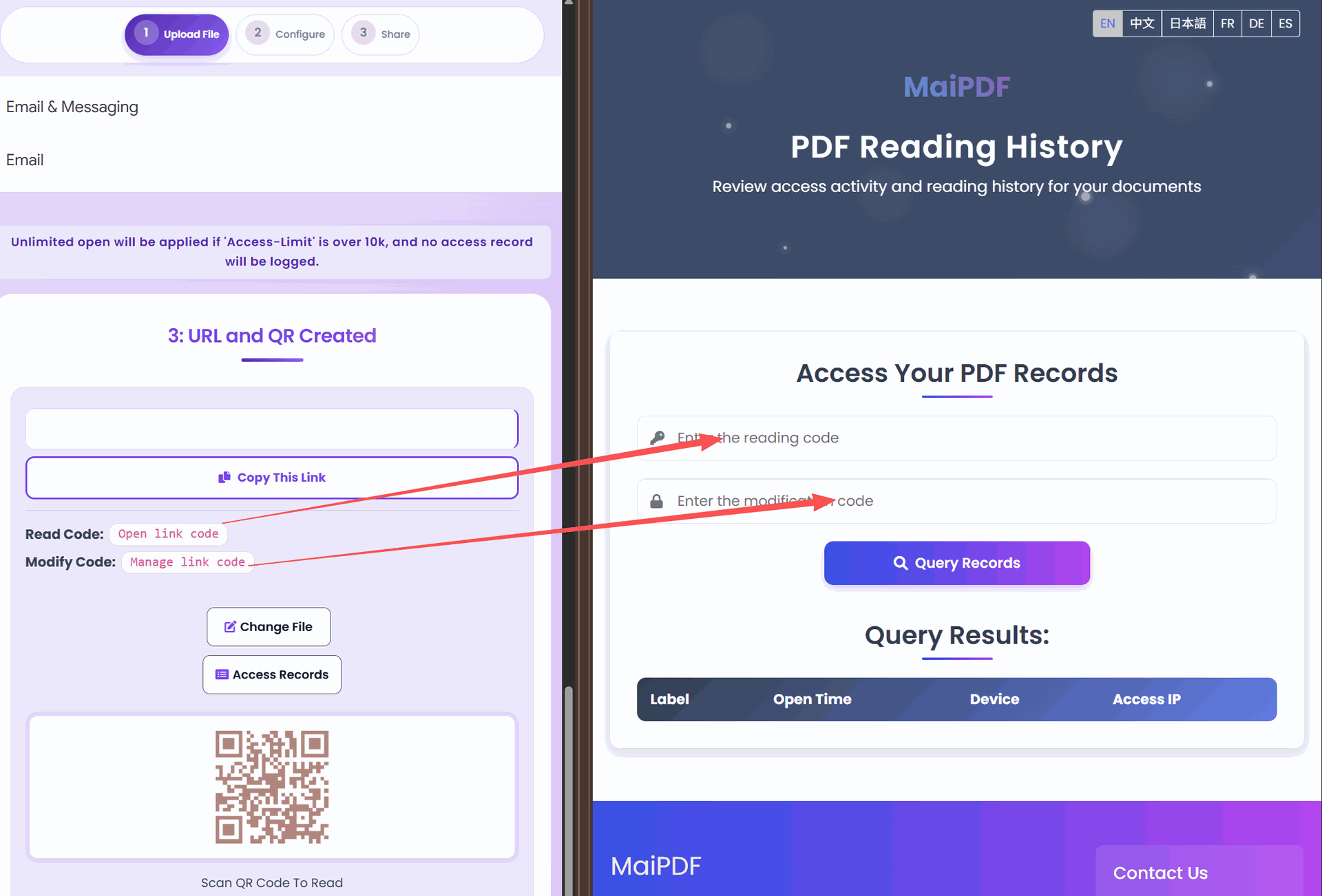
- Upload your corporate document
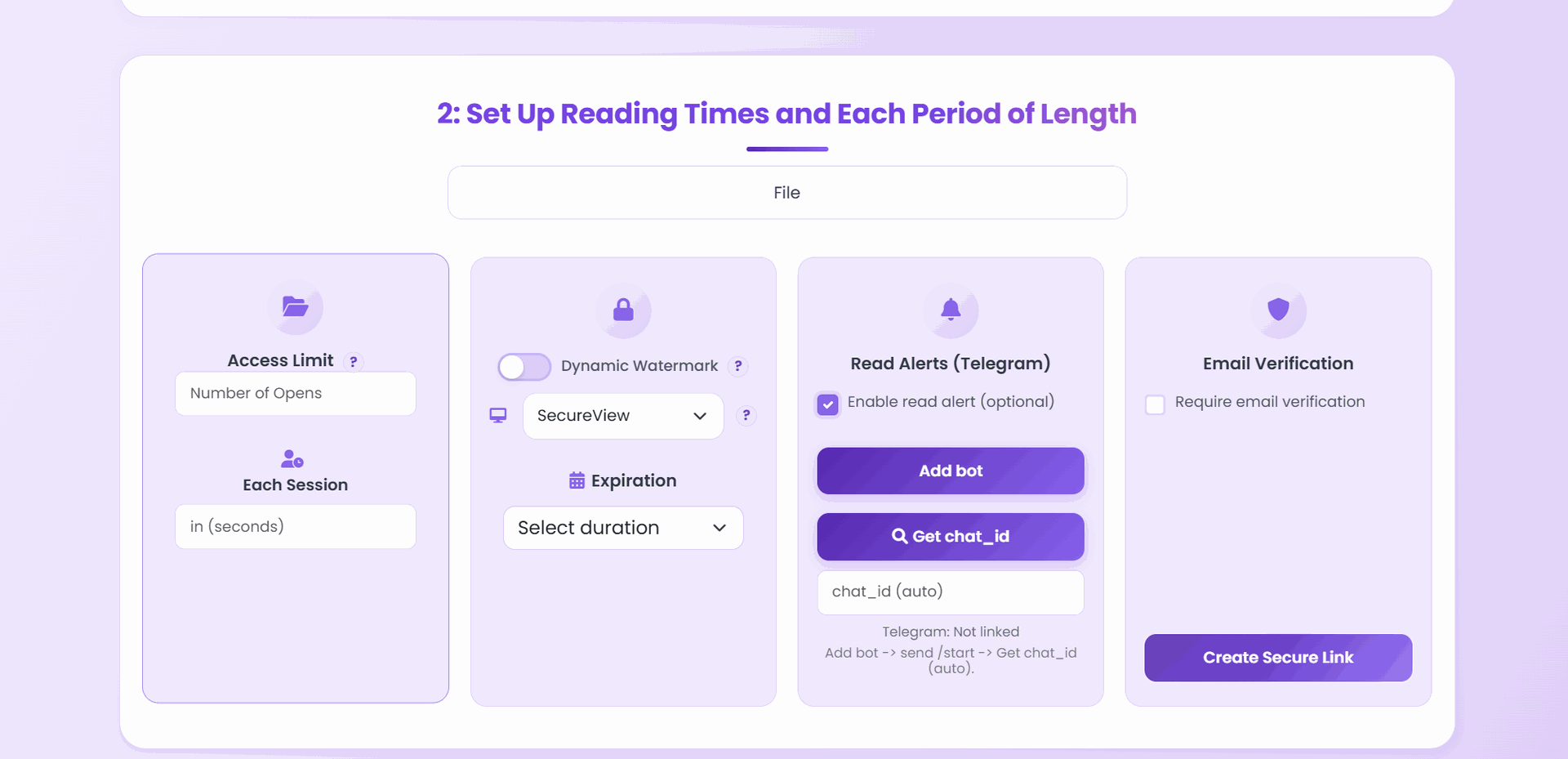
- Configure security parameters:
- Maximum view count
- Access expiration date
- Download prevention
- Generate a secure access link
- Distribute through your regular channels (email, Slack, Teams)
- Monitor the access dashboard
- Update or revoke as needed
Recipients simply click the link and view the content in their browser—no specialized apps, no complicated logins, no workflow disruption.

📱 Access Without Compromise
The key advantage of modern document control systems is that they balance security with accessibility:
- Works across all devices without installing specific software
- Familiar viewing experience that doesn’t confuse employees
- No additional passwords or authentication flows
- Compatible with existing communication tools like email and chat
- Effortless tracking for compliance and security teams
This approach makes adoption painless while dramatically improving your security posture.
📈 Measurable Security Improvements
Organizations implementing access-controlled document sharing report:
- 83% reduction in sensitive document oversharing
- Better visibility into document engagement
- Simplified compliance with information security policies
- Rapid containment of potential leaks
- Elimination of outdated information circulation
These benefits extend beyond the security team to improve operations across the organization.
🔄 Example: Quarterly Financial Review
Consider a typical scenario: distributing quarterly financial results internally before public announcement.
Traditional Approach:
- Email PDF to department heads
- Hope they don’t forward to unauthorized personnel
- No visibility into who actually viewed the document
- Risk of premature information leakage
Secure Distribution Approach:
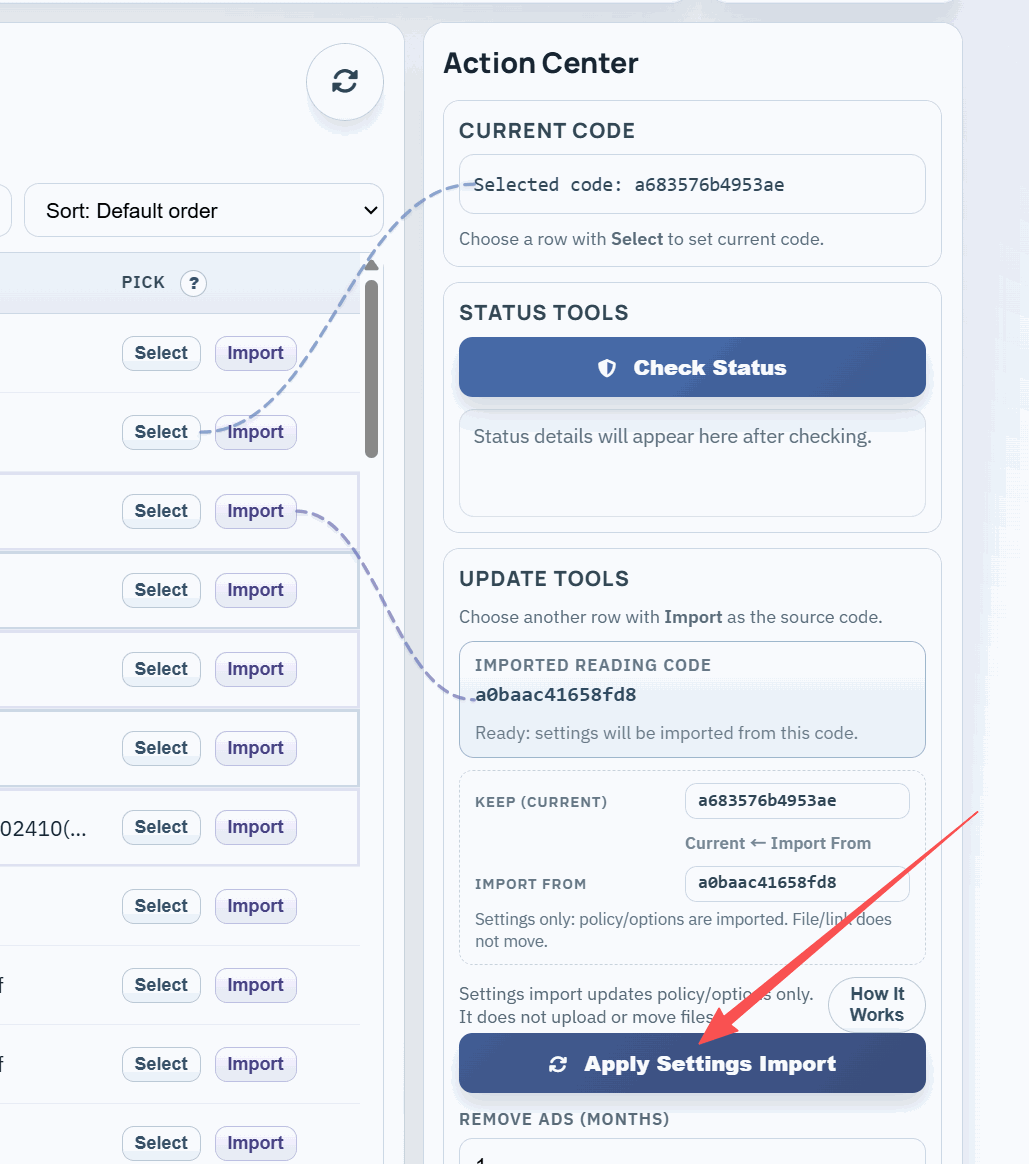
- Upload the financial report
- Set viewer-specific access limits
- Track who accessed the document and when
- Automatically expire access after the public announcement
- Prevent downloads to unauthorized devices
This controlled approach maintains confidentiality during the critical pre-announcement period.
💡 Best Practices for Organizational Implementation
- Start with high-sensitivity documents before rolling out widely
- Create clear internal guidelines about expected usage
- Integrate with existing security awareness training
- Monitor adoption and adjust settings based on actual usage
- Use tracking data to identify potential security issues proactively
These steps ensure a smooth transition to more secure document handling.
✅ The New Standard for Corporate Information
Document security shouldn’t end the moment you hit send. With modern access-controlled sharing:
- You maintain oversight throughout a document’s lifecycle
- Information flows freely within authorized channels
- Security and convenience coexist
- Your corporate knowledge remains protected
It’s time to bring your corporate document sharing into alignment with your overall security standards—because in today’s digital landscape, uncontrolled documents represent an unnecessary risk no organization should accept.